What cooling symptoms and system details can help distinguish a repair from replacement planning?
Air-conditioner service may mean diagnosing an existing central or ductless system, inspecting its operating condition, or planning a replacement. A cooling fault can involve refrigerant, coils, airflow, or controls, and those possibilities require different observations before repair is chosen. For new equipment, the home's cooling load and the existing distribution system matter more than simply copying the old unit. Equipment ratings can support comparison, but they do not establish how a particular home will perform.
Record whether the equipment is central or ductless, what symptoms occur, and whether they vary by operating mode. Diagnosis may examine refrigerant conditions, coils, airflow, and controls because each can produce different cooling symptoms. Replacement planning should consider the home's cooling load, duct or indoor-unit arrangement, and the condition and repair history of the existing equipment.
Central air and ductless system distinctions
Refrigerant, coil, airflow, and control diagnosis
Cooling-load sizing and efficiency-rating comparisons
Assessment and Scope
Questions for the Proposed Work
01
Identify the source of weak or uneven cooling
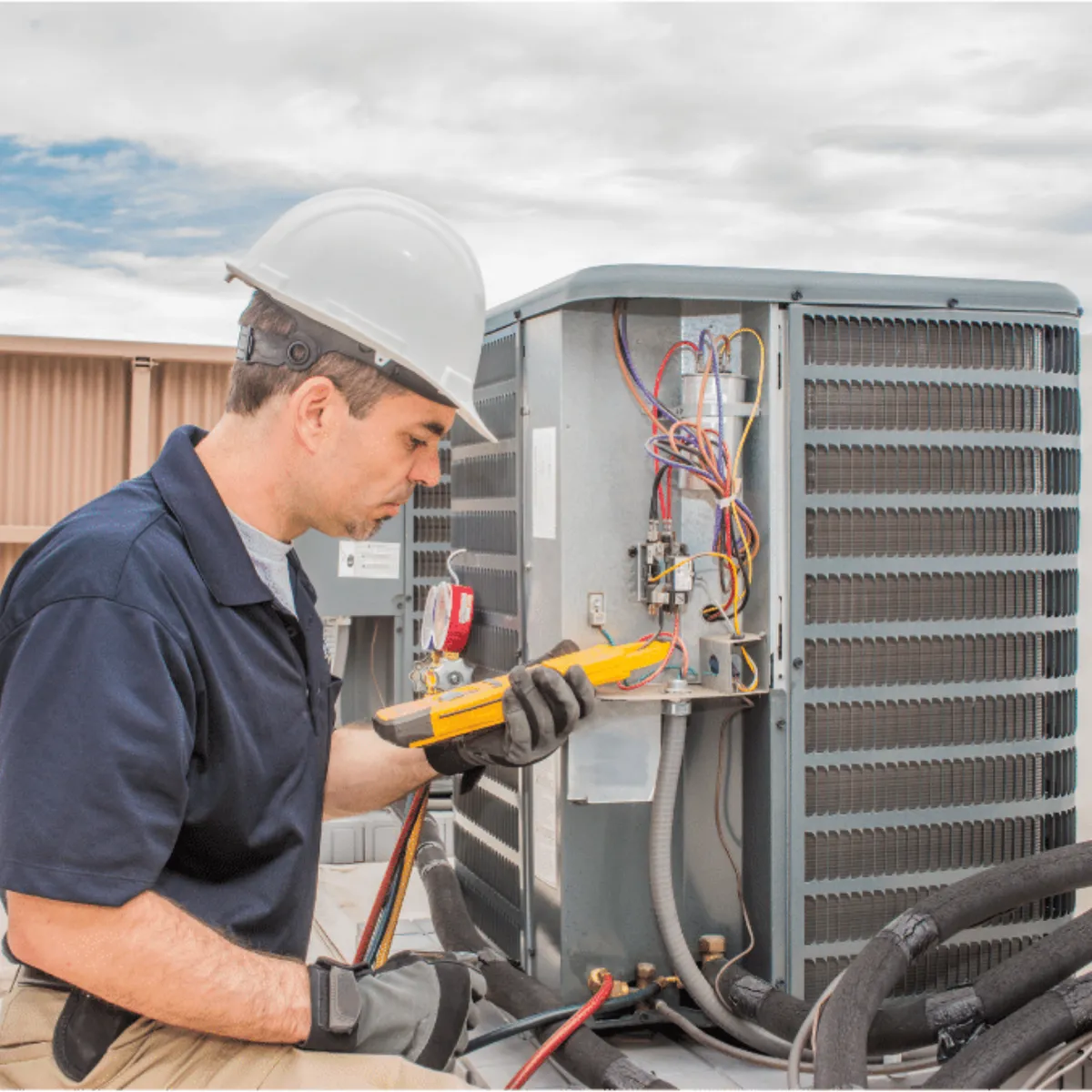
Weak cooling does not identify a single failed part. A service assessment may compare system operation with coil condition, airflow, controls, and refrigerant measurements to narrow the cause. These observations matter because a restricted airflow path calls for different work from a control fault or refrigerant issue. Refrigerant handling and internal electrical diagnosis belong to qualified service work, not homeowner troubleshooting.
02
Base maintenance on the equipment's condition
Inspection of coils, airflow, controls, and refrigerant conditions can show whether cleaning, adjustment, or a repair is indicated for the particular system. Manufacturer instructions and inspection findings should guide maintenance rather than an assumed annual procedure. A record of what was measured and corrected is useful when later symptoms appear, since it helps distinguish a recurring fault from a new issue.
03
Size replacement equipment to the cooling load
When replacement is under consideration, compare the diagnosed repair with the unit's condition, age, and repair history instead of relying on a single cost rule. A load calculation can inform the size of replacement equipment; using the old unit as the sizing reference may repeat an earlier mismatch. Central air and ductless equipment also have different distribution arrangements, so compatibility affects the installation scope.
Compare the next step
Agree on the sequence for any cooling-line, drain, coil, or outdoor-unit changes. Ask what testing must happen before routes are concealed and what access remains afterward. State who restores walls or landscaping and when the system can return to service as other renovation trades finish their work.
Do not open electrical panels or handle refrigerant. If ice, water near electrical equipment, or abnormal operation is present, stop using the affected system and request an assessment.